
Fences
Average Rating
Rate This Article
Most Popular Fence Installation and Repair Cities
Related Articles
Decks & Patios Roofing Siding Above-Ground Swimming Pool vs In-Ground Swimming Pool Backyard Grading, Leveling and Flood Prevention Tips Backyard Landscaping Trends Building a Backyard Soccer Field Building an Outdoor Kitchen Building a Pergola: Types, Uses and Costs Building a Rain Garden Building a Stone Walkway or Path Building Your Own Rooftop Garden Chicago: Backyard Ice Rinks All the Rage Choosing a Hot Tub: One-Piece vs Wooden Staved Composite Decks: A Closer Look Dream Decks: New Survey Reveals Home Owners' Ultimate Deck Ideas 8 Dramatic Backyard Lighting Tips 5 Fun Backyard Winter Landscaping Tips Green Gutters Gutter Installation and Repair A History of Rooftop Gardens Holiday Helpers: Get Your Decorations and Light Display Professionally Installed How to Build a Backyard Fire Pit How to Winterize Your Roof Indoor Gardening Tips and Trends Installing a Backyard Batting Cage Installing & Cleaning Gutters: Dangers of DIY New Trends in Home Greenhouses Modular Tile Courts Take Backyard Sports to a New Level NiceRink: Backyard Ice Rink Installation Resealing Asphalt Driveways Seasonal Landscaping Solar Panel Installation & Info Some Helpful Tips for Installing a Basketball Hoop Tips for a Springtime Garden Makeover Tips for an Eco-Friendly Swimming Pool or Hot Tub 5 Fall Home Improvement Projects 5 Spring Home Improvement Projects 5 Summer Home Improvement Projects 5 Winter Home Improvement Projects Top 5 Deck Building Materials Top 5 Driveway Materials Top 5 Types of Gutters for Your Home Top 10 Advantages of Stucco Your Own Backyard GazeboGone are the days of whitewashing your fence with Tom and Huck. Modern technology now makes it easy for homeowners to find a wide array of fence designs and fencing materials. Whether you're in the market for a fortress barrier or the down-home picket fence feel, fences can put the finishing touches on any home.
You can add value to your home through ornamental fencing, or get a little privacy, because the saying is true, "Good fences make good neighbors." Besides the privacy fence, you might want home fencing for any number of reasons: to give your kids a safer place to play, enclose your pets, control foot traffic, protect your landscape, mark your property boundaries, or meet local regulations for an in-ground pool.
Traditional fences are still made from wood or chain link, but other materials like wrought iron and vinyl have become more common. Other popular fence materials are aluminum and polymer. There are also invisible dog fences to keep your pets at bay. In rural areas, barbed wire fences are still the best option for enclosing livestock or keeping people off of your farm property. However, for most of us, it's easier to opt for the less foreboding wood or wrought iron fence setup. A fencing contractor should be able to help you with all your fencing needs. They will walk you through the different fence styles and give you an idea of what your fencing project will cost.
Wood Fence
Wood Fences are typically made from cedar, redwood, pine or cypress. Cedar fences are probably the most common wooden fences around. A picket wood fence can give your home that old nostalgic feel; all you need is a lemonade stand out front. Post & Rail fencing is another popular choice. Conventionally used to contain livestock, Post & Rail's rusted look have made it a trendy decorative option. Like any wood product, a wood fence is subject to deterioration and rot.
Vinyl Fence
Vinyl fencing is a plastic maintenance-free alternative to wood. Vinyl is not subject to rot, fading, or any of Mother Nature's effects. Vinyl fencing is available in wood panel and rail styles. Although, using vinyl fencing as a replacement for wood definitely has its drawbacks. For one, vinyl fencing is more expensive, so if you're willing to put the work into a wooden fence then go ahead and save yourself a few bucks. Vinyl also just looks fake; it's plastic, after all. If you want something natural-looking then wood is your best bet.
Invisible Fence
Invisible fencing has become the first choice for dog owners everywhere. Electric pet fences are underground wires installed around your lawn's perimeter, which emit a radio signal. When a dog in a special collar approaches the invisible fence a mild electrical shock occurs. An invisible fence might sound cruel to some, but your dog will quickly learn to respect the boundaries.
Wrought Iron Fence
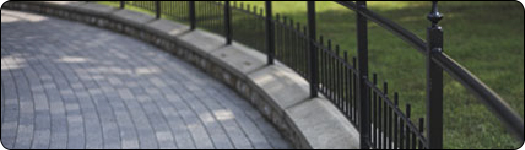
Wrought iron fencing, also known as ornamental iron, can give your home that old world charm. Wrought iron fences are known for their elegant and stately designs, which can last as long as you own your home. However, they have high material and labor costs attached to them. Both polymer and aluminum fences can replicate the same look at a fraction of the cost.
Regardless of fencing material, weather and time will eventually deteriorate your fence. So, your fence might need to be repaired or replaced every few years. Talk to a contractor and find out what your fencing options are. It might be time to turn your old fence into firewood and upgrade to something new.


No reason to stay in cramped quarters. Once your pet fence is set, visit the dog run blog to learn about the benefits of a custom dog run.


